135 days ago, on March 14, I drove with my family to our town’s small downtown area for an early St. Patrick’s Day celebration. We were torn about going – only the day before, President Trump had declared a national emergency in what was supposed to be an effort to get ahead of the virus that had ravaged Wuhan, China and was now spreading through Europe. The same day, our children’s school had sent them home with their Chromebooks, a precautionary measure “in the unlikely event we receive a directive from the state to close school over the weekend.”
There was a feeling of imminent doom. Toilet paper was already beginning to fly off the shelves, though no one was quite sure why. I’d just gone on my first official “panic shopping” trip to the grocery store, stocking up on canned and dried goods because someone on NPR said that we should have two weeks of pantry staples in case we had to quarantine.
And yet, it was St. Patrick’s Day, one of my favorite celebratory holidays, and I had told a friend that I would volunteer with her for the local animal shelter, walking shelter dogs around the festivities in the hopes of finding them a home. So we went. My husband and I drank green beer and almost talked ourselves into adopting a dog. Our daughters spent over an hour in Eve’s Mudhut, a bus repurposed for throwing pottery.
We had no idea what the coming weeks and months would bring. But the next day, we got the automated phone blast from the school district: schools were closing, and that was that. The age of Covid-19 had officially begun.

135 days from then to now.
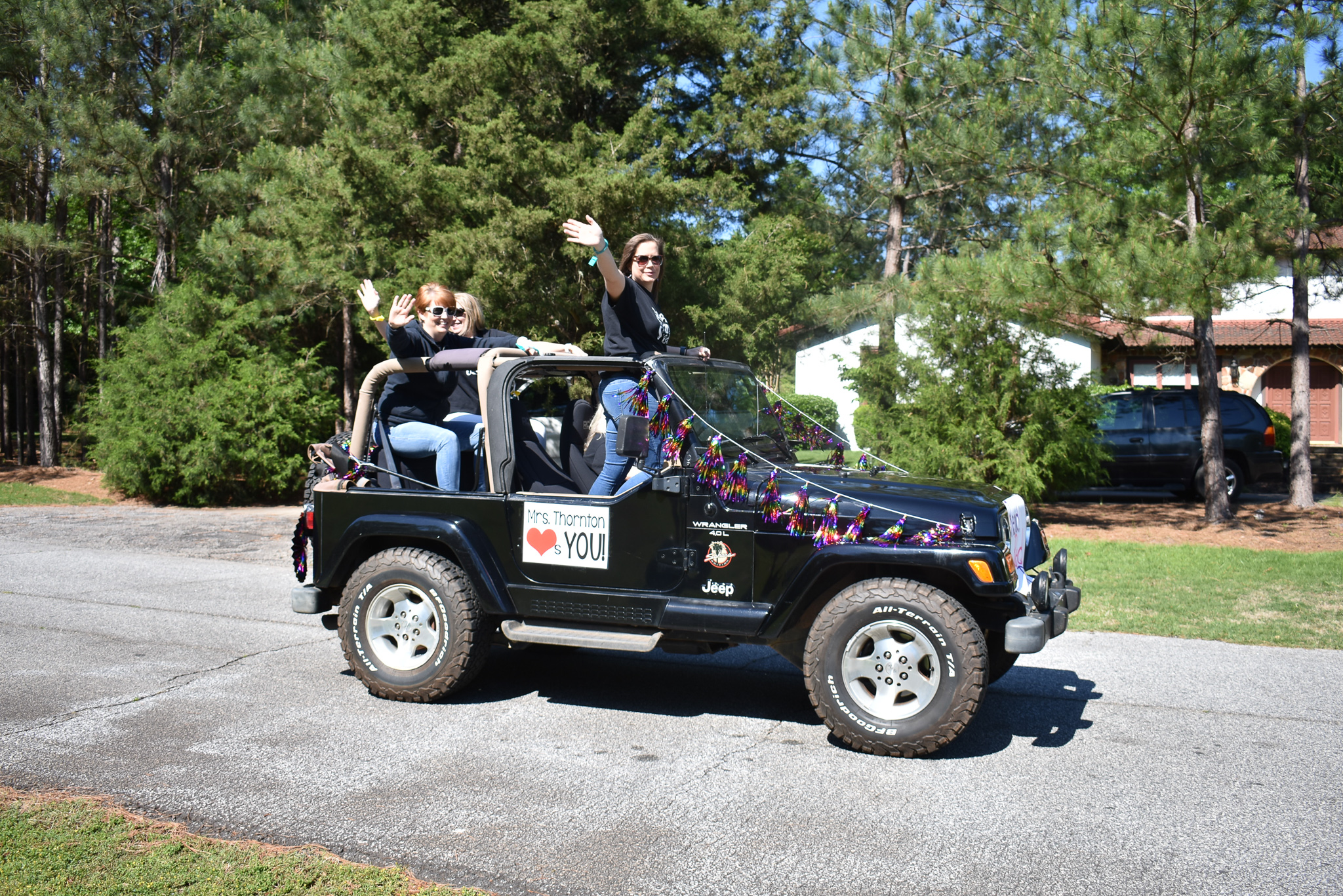
It started out with birthday parades and online church, painting rainbows and looking for bears, front steps photos and donations to charity and a “we’re all in this together” attitude. We went for walks and waved to our neighbors. We ordered takeout. Everyone, suddenly, was getting a puppy.
We smiled bravely, counting our blessings. How nice it is, we said, as if it had never before occurred to us, to slow down and enjoy our families. This lasted for a little while.
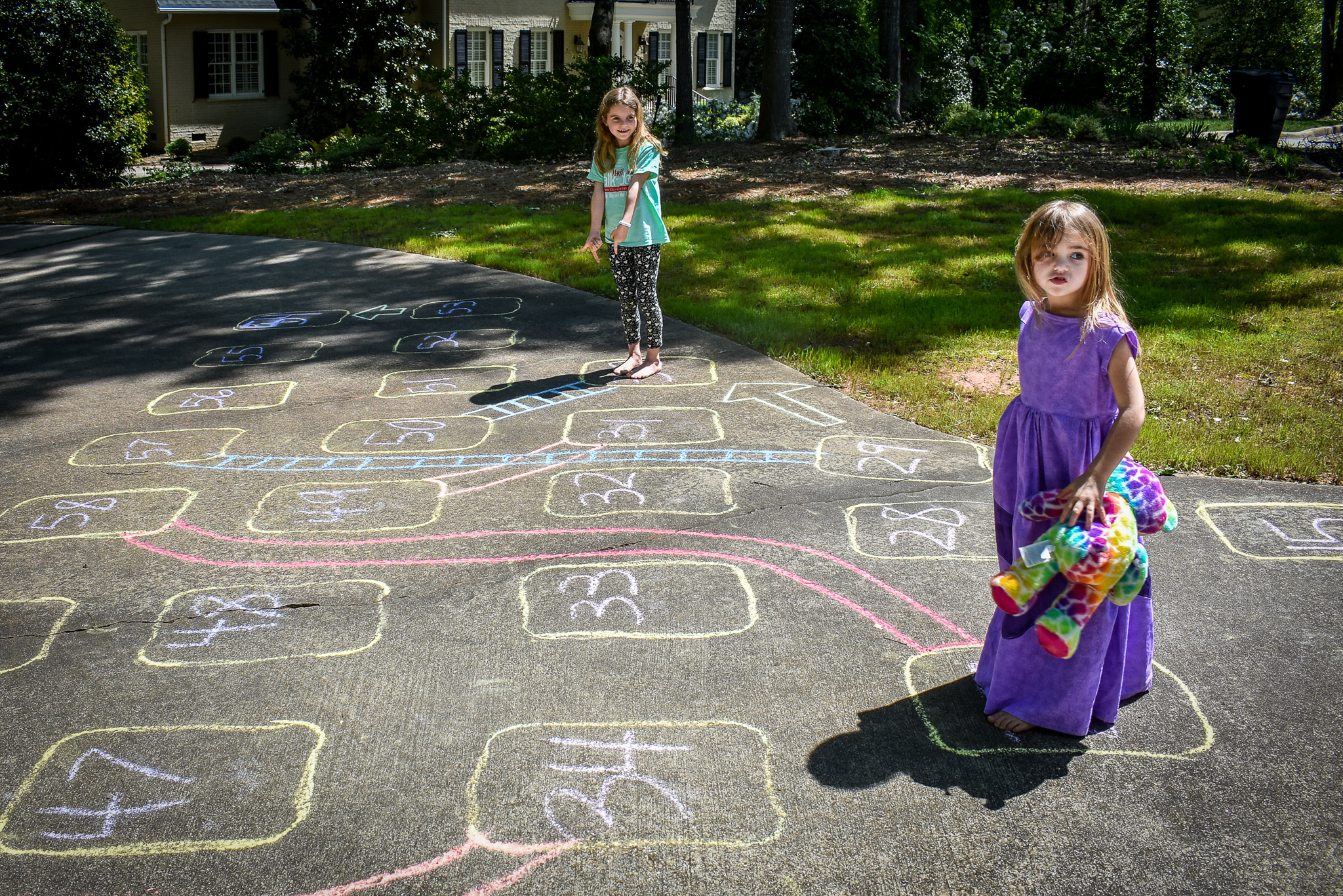
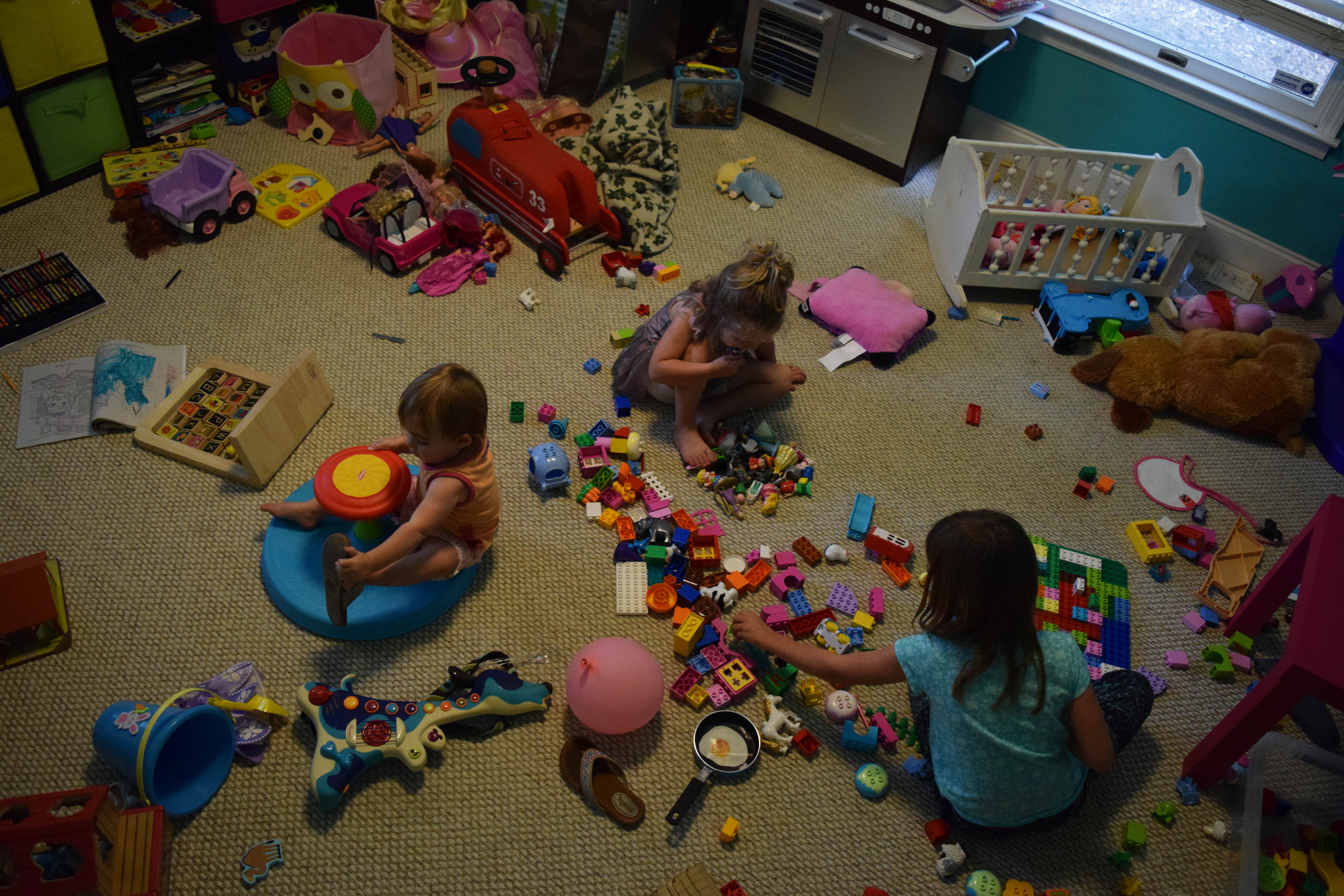
On weekday mornings, I sat in the living room with my daughters, all of us still in our pajamas, while the older two clicked through their school work. I was present only to keep the preschooler occupied and to prevent harm from coming to the school’s technology when a math problem or a technical glitch caused frustration. They didn’t learn anything new – who could expect them to? – but after submitting their work they played for hours, building LEGO towns without instructions, fashioning reading nooks out of blankets, using their imaginations. This was okay with me.
I knew plenty of women who were expected to do their work from home – to teach, even! – while their own little ones cried or fought or demanded help with their own work. And I knew others who were left to piece together childcare in order to continue working outside the home. Some had been furloughed, or had spouses furloughed; many feared their jobs were gone for good. So I knew to be grateful. I knew that despite any difficulties I was having, I was one of the luckiest.
Sometimes, though, gratitude wasn’t enough to sustain me. I missed my friends. I missed being alone. I missed spin classes at the Y and not having to fix three meals a day for my children. I missed my family in New York. I missed impromptu drives up to Greenville, where a year ago we’d shop at the Farmers Market and hang around for lunch. I kept wanting to cry, then not crying, because I was supposed to be grateful, and anyway my kids were always around.
I had so many questions. When will I see my parents again? What about our trip to Disney World? Will my husband’s business be alright? How long until I get on a plane? See a concert? How long will life be like this? I never thought that much about getting sick. It was a question too frightening to ask.
At some point, businesses started to reopen. People started to venture out. At some point, the virus became political, and the arguments started – the masks, the numbers, the vaccine. At some point, a black man in Minnesota was murdered by police. At some point, we were no longer all in it together.

Now it is hot, and my children are bored, and while we’ve allowed ourselves a small amount of freedom – a drink outside of a bar, a viewing of Hamilton in a friend’s backyard, an escape to the mountains – life is not what it was on March 14. I’ve signed them up for a semester of virtual schooling, grateful that I can offer them that, though the thought of another several months of full-on togetherness gives me anxiety.
Oh, I forgot to mention. We also got a puppy.
Is it strange that I miss the way it felt in the beginning, before the virus itself became real and our mutual fear of it brought out the best in us? It was an almost hopeful time- at least that’s how I remember it, everyone so encouraging and well-intentioned.

What happens next? To me, my children, us. All of us. This is my question now. My even-keeled middle sister would tell me that it isn’t productive to ask unanswerable questions. That we need to accept the fact that there are things no one knows, and take our lives one day at a time. It’s good advice, easy to agree with and difficult to put into practice. What will happen when schools reopen? How high will the numbers go? And the election, God, what about that?
But right now I’m sitting at my kitchen counter, a plate emptied of homemade lasagna next to me. My old dog lays on the floor, and in the living room the girls are watching High School Musical 3 with the puppy at their feet. Today I am writing, which is a step forward. Later, we’ll go get ice cream, wear our masks to the window and sit outside. When we return home I’ll put a quiche in the oven and we will swim together as a family while it bakes. We will make it through this day, and for that, I will remember to be grateful.
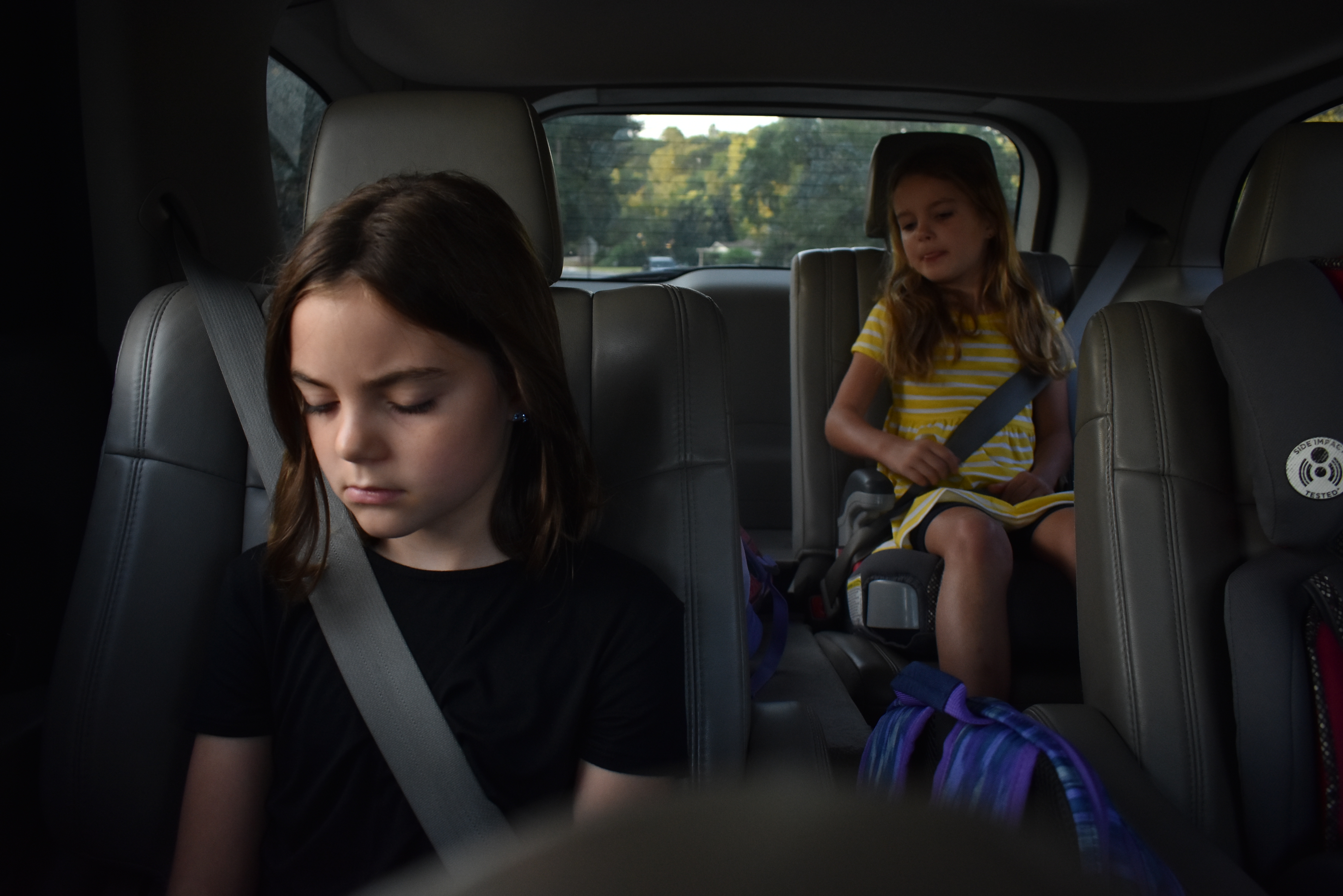
 There are many things I want my daughters to remember about their childhood: the tree at the end of our driveway where they spend their afternoons climbing, swinging, and hanging upside-down; family walks around the neighborhood with the dog and a herd of scooters; a kitchen where music is always on and we sing along together to the Hamilton soundtrack or “It’s Raining Tacos” or indulge in the occasional head banging dance party to “Smells Like Teen Spirit”.
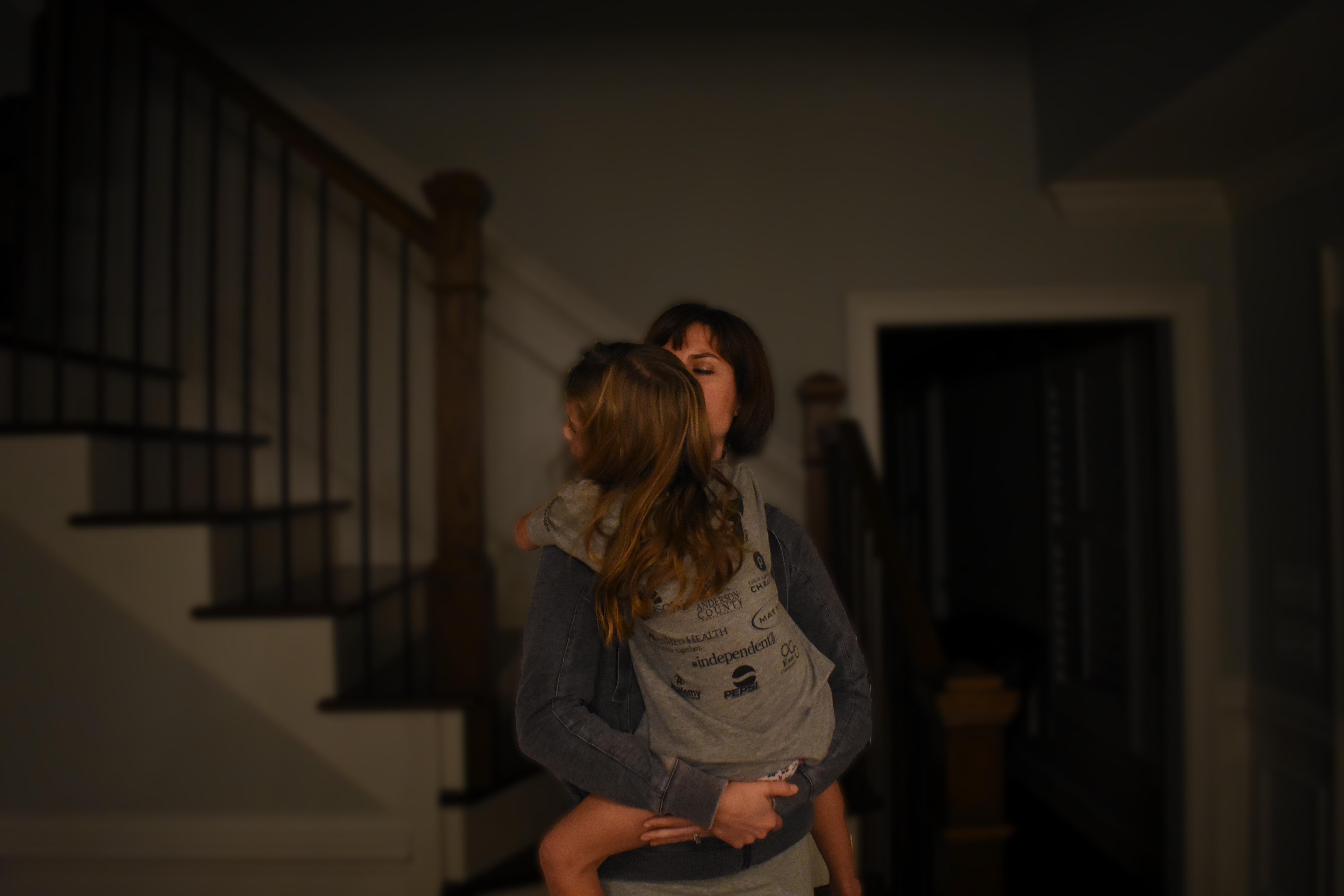 What I was experiencing wasn’t normal. I’d been a mom for over seven years and I had had my share of anger, frustration and impatience. This felt different, like my self-control had just dissolved and I was just as likely as they were to throw a fit over something insignificant. Once I lost it, I was on a merry-go-round of guilt and self-loathing. I could see the disappointment, even the fear, in my children’s eyes, and I hated myself for it.
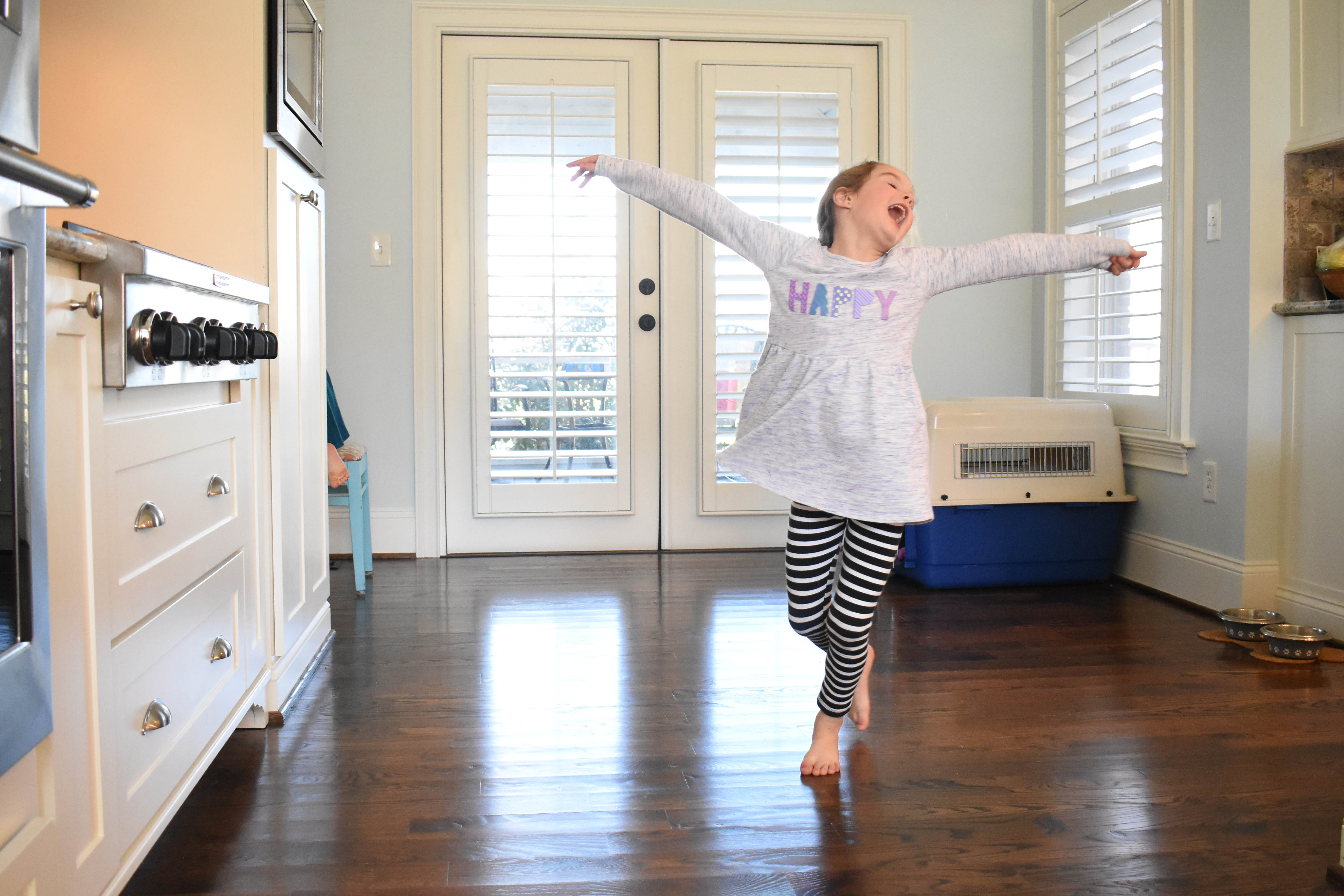 With my husband’s encouragement, I sought therapy. A few months after that, I started taking antidepressants. And yet, earlier this week, we were back to chin tickling, a reminder that I can never truly hide my mental state from my children. When I’m struggling, they know. When I’m feeling low, they feel it too.
 May is Mental Health Awareness Month. If you’re noticing any symptoms of mental illness or are having difficulty regulating your mood, I urge you to seek treatment or speak to a loved one about it. There’s a better, more fuller life than the one you’re living now.
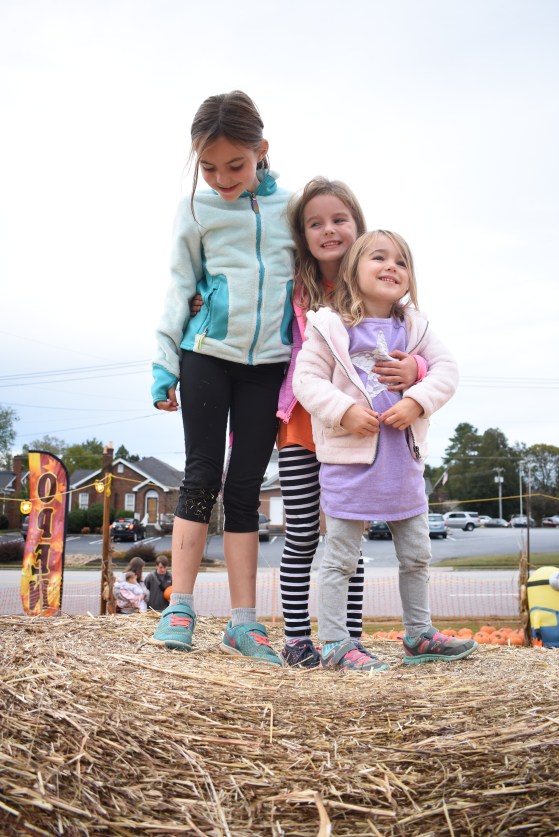

 Each month, our Moms of Preschoolers group calls on one person to deliver a devotion about a topic of her choice. After the school shooting in Parkland, Florida, and the increase in calls for more people to arm themselves against potential threats, fear was the topic on my heart and mind.






 Mommy Identity Crisis